Building Your Emergency Food Supplies Guide: Essentials

Updated: Jan 13
When it comes to being prepared, having a solid emergency food supply is a game-changer! Whether you’re planning for unexpected storms, power outages, or any other situation that might disrupt your access to fresh food, having the right supplies can make all the difference. I’m here to walk you through the essentials of building your own emergency food supplies guide, so you can feel confident and ready for whatever comes your way!
Why You Need an Emergency Food Supplies Guide
Let’s face it—life is unpredictable! Emergencies can strike without warning, and having a plan in place is crucial. But why focus on food? Well, food is fuel. It keeps your energy up, your spirits high, and your body functioning properly during stressful times. Plus, when you have a stash of reliable food, you reduce the stress of last-minute grocery runs or relying on limited resources.
Creating an emergency food supplies guide helps you:
Stay nourished during power outages or natural disasters
Avoid panic buying and shortages
Save money by buying in bulk and on sale
Ensure your family’s dietary needs are met
Think of it as your safety net—a pantry that’s ready to support you when you need it most.
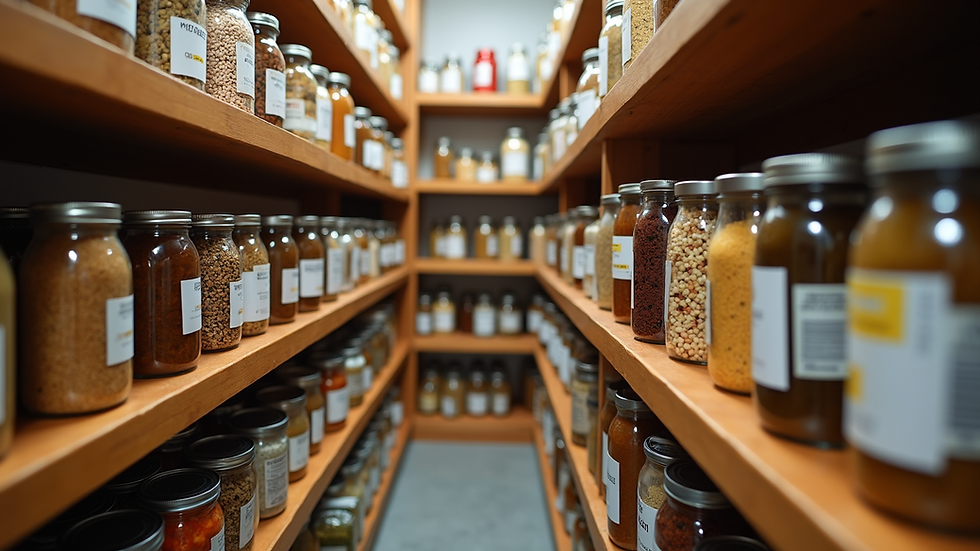
How to Start Your Emergency Food Supplies Guide
Starting your emergency food supplies guide might feel overwhelming, but it’s easier than you think! Here’s a simple step-by-step approach to get you going:
Assess Your Needs
Consider how many people you’re feeding and any special dietary requirements. Do you have kids, seniors, or anyone with allergies? This will shape your food choices.
Choose Long-Lasting Foods
Focus on foods with a long shelf life. Freeze-dried, canned, and dehydrated foods are fantastic options. They last for years and retain most of their nutrients.
Plan for Variety
Nobody wants to eat the same thing every day! Mix proteins, carbs, fruits, and veggies to keep meals interesting and balanced.
Calculate Quantities
A good rule of thumb is to stock at least a two-week supply of food per person. That means enough calories and nutrients to keep everyone healthy.
Organize Your Storage
Keep your food in a cool, dry place. Label everything with purchase and expiration dates. Rotate your stock regularly to keep it fresh.
Add Water and Cooking Supplies
Don’t forget water! You’ll need at least one gallon per person per day. Also, have a way to cook or prepare your food if the power goes out.
By following these steps, you’ll build a reliable emergency food supply that’s tailored to your family’s needs.
What is the Best Food to Stock Up on for Emergencies?
Great question! When it comes to stocking up, you want foods that are nutritious, easy to prepare, and have a long shelf life. Here are some top picks:
Freeze-Dried Fruits and Vegetables
These keep their flavor and nutrients for years. They’re perfect for adding to meals or snacking.
Canned Beans and Legumes
Packed with protein and fiber, canned beans are versatile and filling.
Rice and Pasta
These staples are affordable, store well, and can be the base for many meals.
Canned Meats and Fish
Tuna, chicken, and salmon provide essential protein and omega-3s.
Nut Butters
Peanut butter or almond butter are calorie-dense and delicious.
Powdered Milk or Milk Alternatives
Great for cooking and adding to drinks.
Energy Bars and Trail Mix
Perfect for quick snacks or when you’re on the go.
Freeze-Dried Meals
These are complete meals that just need water. Super convenient!
Remember to check the labels for sodium and sugar content, especially if you’re watching your diet. Also, consider your family’s taste preferences to avoid food waste.

Tips for Maintaining Your Emergency Food Supply
Building your emergency food supply is just the beginning! Keeping it fresh and ready is key. Here are some tips to help you maintain your stash:
Rotate Your Stock
Use older items first and replace them with new ones. This keeps your food fresh and reduces waste.
Check Expiration Dates Regularly
Set a reminder every few months to inspect your supplies.
Keep an Inventory List
Track what you have and what you need. This makes shopping easier and prevents overbuying.
Store Food Properly
Use airtight containers to protect against pests and moisture.
Include Comfort Foods
Having some treats like chocolate or coffee can boost morale during tough times.
Practice Cooking Your Emergency Foods
Try out recipes with your freeze-dried or canned foods so you know how to prepare them quickly.
By staying organized and proactive, your emergency food supply will always be ready when you need it.
Making Your Emergency Food Supply Work for Everyday Life
Here’s a little secret: your emergency food supply doesn’t have to sit untouched on a shelf! You can incorporate these foods into your daily meals. Using freeze-dried fruits in your morning oatmeal or adding canned beans to your salads keeps your stock fresh and reduces waste.
Plus, buying from trusted sources like Long Lasting Foods means you’re getting high-quality products that taste great and last long. This way, you’re not just preparing for emergencies—you’re also enhancing your everyday pantry.
Conclusion: Embrace Preparedness with Confidence
Building your emergency food supplies guide is a smart, practical step toward peace of mind. It’s not just about surviving; it’s about thriving in any situation! With the right supplies, you can face unexpected challenges with confidence.
So, are you ready to start stocking up? Dive in today and enjoy the confidence that comes with being prepared!
Happy prepping and happy eating!


Comments